


 JOIN THE TRIBE

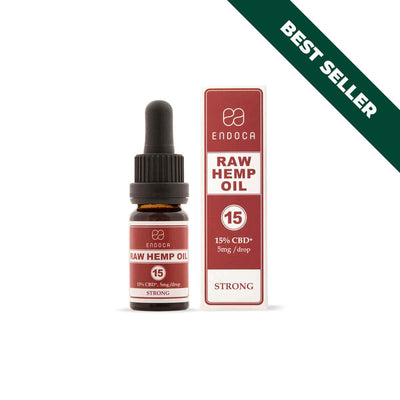
CBD and Fitness Recovery: Post-Workout, Mobility & Inflammation
Introduction: The Natural Way to Recover Better
For anyone who trains regularly whether that’s in the gym, on the pitch or simply keeping active day to day recovery is just as important as the workout itself. Without proper recovery, muscles stay sore, joints ache and performance stalls. That’s why more athletes and fitness enthusiasts are turning to CBD to help their bodies bounce back faster and feel less inflamed after intense sessions.
CBD (cannabidiol) is a non-psychoactive compound derived from hemp that interacts with the body’s endocannabinoid system (ECS). This network helps regulate pain, inflammation, sleep and mood all crucial factors in recovery and performance. In this guide, we’ll explore how CBD can fit naturally into a training routine and what the latest research suggests about its benefits.
Why Recovery Matters More Than Ever
Training breaks down muscle tissue recovery rebuilds it. When you lift weights, run, cycle or train hard, microscopic tears form in your muscle fibres. Your body repairs these fibres during rest, which is when you actually get stronger and fitter.
But if inflammation lingers or you’re not sleeping well, recovery slows, leading to fatigue, stiffness and even injury.
CBD’s anti-inflammatory, analgesic and calming properties make it an intriguing recovery aid. Rather than masking pain, CBD helps the body regulate its natural response to physical stress, making recovery smoother and more efficient.
How CBD Supports Post-Workout Recovery
1. Reducing Inflammation and Muscle Soreness
One of the main reasons people use CBD after exercise is to reduce inflammation. Studies suggest that CBD interacts with the ECS and certain immune receptors to help limit the production of pro-inflammatory molecules known as cytokines.
That’s important because post workout soreness (known as DOMS delayed onset muscle soreness) is caused by inflammation from muscle damage. By modulating that response, CBD may shorten recovery time and ease discomfort without the side effects associated with over-the-counter anti-inflammatories.
How to use:
Take CBD oil or capsules within an hour after training to help the body transition into repair mode. (CBD Oils & CBD Capsules)
2. Supporting Joint Health and Mobility
Stiff joints can hold back even the most committed athlete. CBD’s potential to reduce inflammation in connective tissue makes it particularly appealing for supporting mobility and flexibility.
Topical CBD creams and balms applied directly to knees, shoulders or elbows can offer localised comfort and encourage better movement the next day. They’re also a good pre-workout choice for those who struggle with mobility or warm-up stiffness. (CBD Balms & Creams)
3. Promoting Restful Sleep and Recovery Hormones
Sleep is when the real recovery happens. Growth hormone is released during deep sleep, aiding muscle repair and tissue rebuilding. Unfortunately, intense exercise especially evening workouts can raise cortisol levels, making it harder to switch off.
CBD has been shown to help reduce anxiety and support deeper, more restorative sleep by calming the nervous system. Many athletes use CBD an hour before bed to unwind both body and mind. Better sleep equals better recovery, plain and simple. (CBD Gummies)
4. Reducing Exercise-Induced Stress
High-intensity exercise increases oxidative stress the imbalance between free radicals and antioxidants in the body. Over time, this can slow recovery and affect immune function.
CBD’s antioxidant properties may help neutralise free radicals and protect muscle cells from excessive oxidative damage. Combined with hydration, good nutrition and rest, CBD can contribute to a healthier recovery environment.
The Science Behind CBD and Athletic Performance
Although research is still ongoing, several studies highlight CBD’s potential role in sports recovery:
-
A 2020 review in Frontiers in Sports and Active Living found that CBD may help athletes by improving sleep, reducing anxiety and lowering inflammation after physical exertion.
-
A 2018 study in Molecular Neurobiology demonstrated CBD’s ability to reduce neuro inflammation and oxidative stress, both of which can occur after intense exercise.
-
Anecdotal evidence from professional and amateur athletes also points to CBD helping with pain perception and general post-training wellbeing.
Importantly, CBD is not on the World Anti-Doping Agency’s (WADA) banned list (THC, however, is), making it a safe and legal option for competitive athletes in the UK.
Building CBD into Your Recovery Routine
If you’re thinking about incorporating CBD into your post workout routine, here’s how to get started effectively:
1. Start low and build gradually:
Begin with 10–25mg daily and adjust depending on body weight, training intensity and your body’s response.
2. Take it consistently:
CBD works best when taken regularly. Use it daily rather than only after tough sessions.
3. Combine with other recovery methods:
CBD should complement not replace essentials like proper nutrition, hydration, stretching and sleep.
4. Choose quality products:
Look for third-party lab tested, broad-spectrum or full-spectrum CBD. This ensures purity and contains beneficial cannabinoids and terpenes that enhance the “entourage effect.”
When to Take CBD for the Best Results
Pre-workout: A small dose (5–10mg) may help reduce exercise-related anxiety and improve focus.
Post-workout: A medium dose (20–30mg) can help reduce inflammation and muscle soreness.
Before bed: A slightly higher dose (25–40mg) can encourage restful sleep and deeper recovery.
These ranges are general; every person’s tolerance and goals differ, so it’s best to experiment slowly and track your progress over time.
Top CBD Products for Active Lifestyles
At Hemprove, we see many active customers using CBD in different ways to complement their training:
-
CBD Oils: Fast-acting and flexible for precise dosage. (CBD Oil)
-
CBD Capsules: Convenient and consistent for daily use. (CBD Capsules)
-
CBD Gummies: Great-tasting option for on-the-go recovery. (CBD Gummies)
-
CBD Balms & Creams: For soothing sore muscles and joints after intense sessions. (CBD Balms & Creams)
Combining internal and external topical CBD products can offer full body support from both inside and out.
Safety and Considerations
CBD is generally well-tolerated, but start slow and consult your GP if you’re taking other supplements or medications, especially anti-inflammatory drugs or blood thinners. Always buy from reputable UK retailers that provide transparent lab reports confirming zero or trace THC levels.
Conclusion: Recovery, Naturally Upgraded
From inflammation and muscle soreness to sleep and stress, CBD offers a multifaceted approach to fitness recovery that complements modern training lifestyles. It helps the body do what it’s built to do heal, repair and perform but in a gentler, more balanced way.
If you’re looking to improve your mobility, sleep or post-workout comfort, incorporating CBD could be the natural upgrade your recovery routine needs.

Leave a comment