


 JOIN THE TRIBE

Best Supplements for Stress & Anxiety (Backed by Science)
Stress & Anxiety are a normal part of life. A looming deadline, busy week or unexpected bill can make anyone feel under pressure. But when stress sticks around, switching off can become much more difficult.
Alongside sleep, exercise and a balanced diet, some people turn to supplements for stress and anxiety as part of their wider wellbeing routine.
But which ones actually have science behind them?
From magnesium and ashwagandha to L-theanine and CBD, there are plenty of options making their way into modern wellness routines. The evidence behind them, however, varies considerably.
Here are some of the most researched supplements and ingredients associated with stress, relaxation and psychological wellbeing.
Please note: This article is for general information only and is not medical advice. Supplements should not be used as replacements for professional treatment for anxiety or other mental-health conditions. Speak to your GP, pharmacist or another qualified healthcare professional if you are experiencing persistent anxiety or take medication.
What Are the Best Supplements for Stress and Anxiety?
There isn't one supplement that works perfectly for everybody.
Stress can be influenced by everything from sleep and diet to work, relationships, caffeine intake and underlying health conditions. Supplements are therefore best viewed as one potential part of a much bigger picture.
Some of the most commonly researched ingredients include:
- Magnesium
- Ashwagandha
- L-theanine
- CBD
- B vitamins
- Omega-3 fatty acids
- Vitamin D
Let's look at each in more detail.
1. Magnesium
Magnesium has become one of the most popular supplements for stress and relaxation, but it isn't simply the latest wellness trend.
It's an essential mineral that the human body needs.
Magnesium contributes to normal psychological function, normal functioning of the nervous system and the reduction of tiredness and fatigue.
It occurs naturally in foods including leafy green vegetables, nuts, seeds, whole grains and legumes, although magnesium supplements are widely available.
Research has explored the relationship between magnesium status, stress and anxiety, with some studies reporting potential benefits from supplementation in certain populations.
However, taking more magnesium doesn't automatically mean you'll become more relaxed. Someone with an inadequate magnesium intake may have a different experience from someone already consuming enough through their diet.
Common supplement forms include magnesium glycinate, magnesium citrate and magnesium oxide.
2. Ashwagandha
Ashwagandha is an adaptogenic herb with a long history of traditional use, particularly within Ayurvedic practices.
In recent years, it has become increasingly popular in modern supplements marketed towards stress management and relaxation.
Ashwagandha has also attracted scientific attention. Some clinical research has reported improvements in perceived stress and measures associated with the body's stress response.
That makes ashwagandha one of the more interesting herbal ingredients currently being studied.
However, results can vary between studies, and different supplements may contain different extracts and concentrations.
Ashwagandha can also interact with medications and isn't appropriate for everyone, so don't assume that "natural" automatically means risk-free.
3. L-Theanine
Tea might already be part of your relaxation routine without you realising it contains an interesting amino acid.
L-theanine occurs naturally in tea leaves, particularly green tea, and has been researched for its potential relationship with relaxation and stress.
One particularly interesting aspect of L-theanine is that it is often associated with a feeling of relaxation without necessarily causing heavy drowsiness.
This has made it a popular ingredient in supplements aimed at people who want to feel calmer while remaining focused during the day.
Research into L-theanine and stress is promising, although larger and more comprehensive studies are still needed before firm conclusions can be drawn.
4. CBD
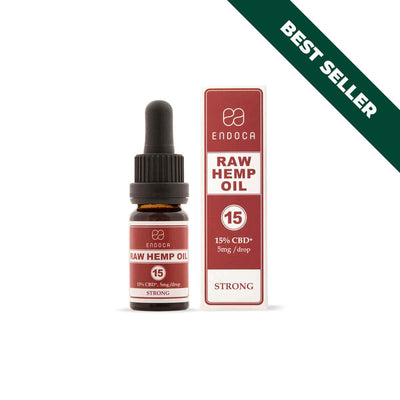
CBD (cannabidiol) has become a familiar part of the UK wellness market and is available in products including CBD oils, capsules and gummies.
CBD is a naturally occurring cannabinoid derived from cannabis and hemp plants. Unlike THC, CBD itself isn't intoxicating and doesn't produce the characteristic cannabis "high".
Interest in CBD for stress and anxiety largely comes from its interactions with the body's endocannabinoid system and other signalling pathways associated with processes including mood and the stress response.
Researchers have investigated CBD in relation to anxiety and stress, with some studies producing encouraging findings.
However, there are important limitations.
Research can involve doses and formulations that are very different from everyday consumer CBD products. We therefore shouldn't jump from "CBD has shown interesting results in research" to "CBD has been proven to treat anxiety".
It hasn't.
CBD is better considered a wellness supplement rather than a replacement for evidence-based anxiety treatment.
5. B Vitamins
The B-vitamin family includes several essential nutrients that contribute to normal bodily functions.
Certain B vitamins, including vitamins B6 and B12, contribute to normal psychological function and normal functioning of the nervous system. They also contribute to the reduction of tiredness and fatigue.
Because stress can sometimes leave us feeling mentally and physically drained, B vitamins are frequently included in supplements designed to support energy and wellbeing.
A varied diet can provide plenty of B vitamins through foods such as meat, eggs, dairy products, leafy vegetables, legumes and fortified foods.
As with magnesium, supplementation may be particularly relevant where dietary intake is insufficient, rather than assuming that larger amounts will automatically make you feel better.
6. Omega-3 Fatty Acids
Omega-3 fatty acids are most commonly associated with oily fish and heart health, but researchers have also investigated their relationship with the brain and mental wellbeing.
The main omega-3 fatty acids you'll see discussed are EPA (eicosapentaenoic acid) and DHA (docosahexaenoic acid).
DHA contributes to the maintenance of normal brain function when consumed at sufficient levels, while research continues into whether omega-3 supplementation could have broader implications for mood and anxiety.
Good dietary sources include oily fish such as salmon, sardines and mackerel.
For people who don't regularly eat fish, omega-3 supplements are widely available, including some algae-derived alternatives.
7. Vitamin D
Vitamin D is perhaps best known for its role in maintaining normal bones, teeth, muscles and immune-system function.
However, researchers have also explored relationships between vitamin D status and mental wellbeing.
In the UK, vitamin D is particularly relevant because sunlight isn't always sufficient for our bodies to produce enough throughout the year.
The NHS advises people in the UK to consider taking a daily vitamin D supplement containing 10 micrograms during autumn and winter, while some people may need to supplement throughout the year.
Vitamin D shouldn't be viewed as an anxiety treatment, but ensuring you meet your nutritional requirements remains an important part of supporting overall health.
Which Supplement Is Best for Stress?
There isn't a universal winner.
Someone whose diet is low in magnesium may have different needs from someone interested in incorporating CBD or L-theanine into an existing relaxation routine.
Rather than buying whichever supplement currently has the biggest social-media buzz, consider what you're actually trying to achieve.
It's also worth remembering that supplements can't compensate for a lifestyle that's constantly pushing your stress levels in the wrong direction.
Sleep, regular exercise, nutritious food, social connection, time away from work and reducing excessive caffeine or alcohol can all make a meaningful difference to wellbeing.
Think of supplements as supporting actors rather than the entire cast.
Can You Combine Supplements for Stress?
Potentially, but more isn't necessarily better.
Modern supplements increasingly combine ingredients such as CBD, magnesium and adaptogens, reflecting growing interest in multi-ingredient wellness products.
However, combining several supplements makes it particularly important to check the doses and ingredients.
You could unintentionally consume the same vitamin or mineral from several different products.
Supplements can also interact with prescription and over-the-counter medicines. CBD, for example, can affect how the body processes certain medications.
If you take medication, have an existing medical condition, are pregnant or breastfeeding, or aren't sure whether a combination is suitable, speak to a qualified healthcare professional first.
How to Choose a Stress Supplement
Don't choose a product simply because the packaging promises tranquillity in a bottle.
Look for clear information about ingredients, amounts per serving, recommended usage and product testing.
For CBD products, transparency around cannabinoid content and independent laboratory testing is particularly important.
And be cautious of extravagant medical claims.
No reputable supplement should promise to cure anxiety, eliminate stress or replace medical treatment.
Supplements for Stress and Anxiety: The Bottom Line
There is no magic supplement capable of making life's stressful moments disappear.
But several ingredients have interesting scientific evidence behind them.
Magnesium is an essential mineral supporting normal psychological and nervous-system function. Ashwagandha and L-theanine have attracted promising research relating to stress and relaxation, while CBD continues to be investigated for its interaction with systems involved in stress and mood.
Meanwhile, nutrients including B vitamins, vitamin D and omega-3 fatty acids play important roles in maintaining normal health.
The best approach isn't necessarily to take everything at once.
Start with the fundamentals: sleep well, eat a balanced diet, move regularly and give yourself opportunities to switch off. Supplements can then be considered as part of a wider wellbeing routine where appropriate.
Most importantly, stress and an anxiety disorder aren't the same thing. If feelings of anxiety are persistent, difficult to control or interfering with everyday life, speak to your GP or another qualified healthcare professional.
Frequently Asked Questions
What is the best supplement for stress and anxiety?
There isn't one supplement that's best for everyone. Magnesium, ashwagandha, L-theanine and CBD have all been researched in relation to stress or anxiety, although the strength and quality of evidence varies between ingredients.
What vitamins are good for stress?
Several vitamins and minerals support normal bodily functions associated with wellbeing. For example, vitamins B6 and B12 and magnesium contribute to normal psychological function and normal functioning of the nervous system.
Is magnesium good for stress?
Magnesium contributes to normal psychological function and normal nervous-system function. Research has also explored magnesium supplementation in relation to stress, although individual results may depend partly on existing magnesium intake.
Is CBD good for stress?
CBD is commonly incorporated into relaxation and wellness routines, and scientific research has explored its potential effects on stress and anxiety-related processes. However, CBD isn't a proven treatment for anxiety and shouldn't replace appropriate medical care.
Can I take CBD and magnesium together?
Some people include both in the same wellness routine. However, supplements can interact with medicines or may not be suitable for everyone. Speak to a healthcare professional if you're unsure.

Leave a comment